Notes / Trading and distribution
Why is our month-end report always late?
Short answer: Because the checking happens at the end. When each figure is checked on the day it is keyed in, month-end stops being a hunt and becomes a review.
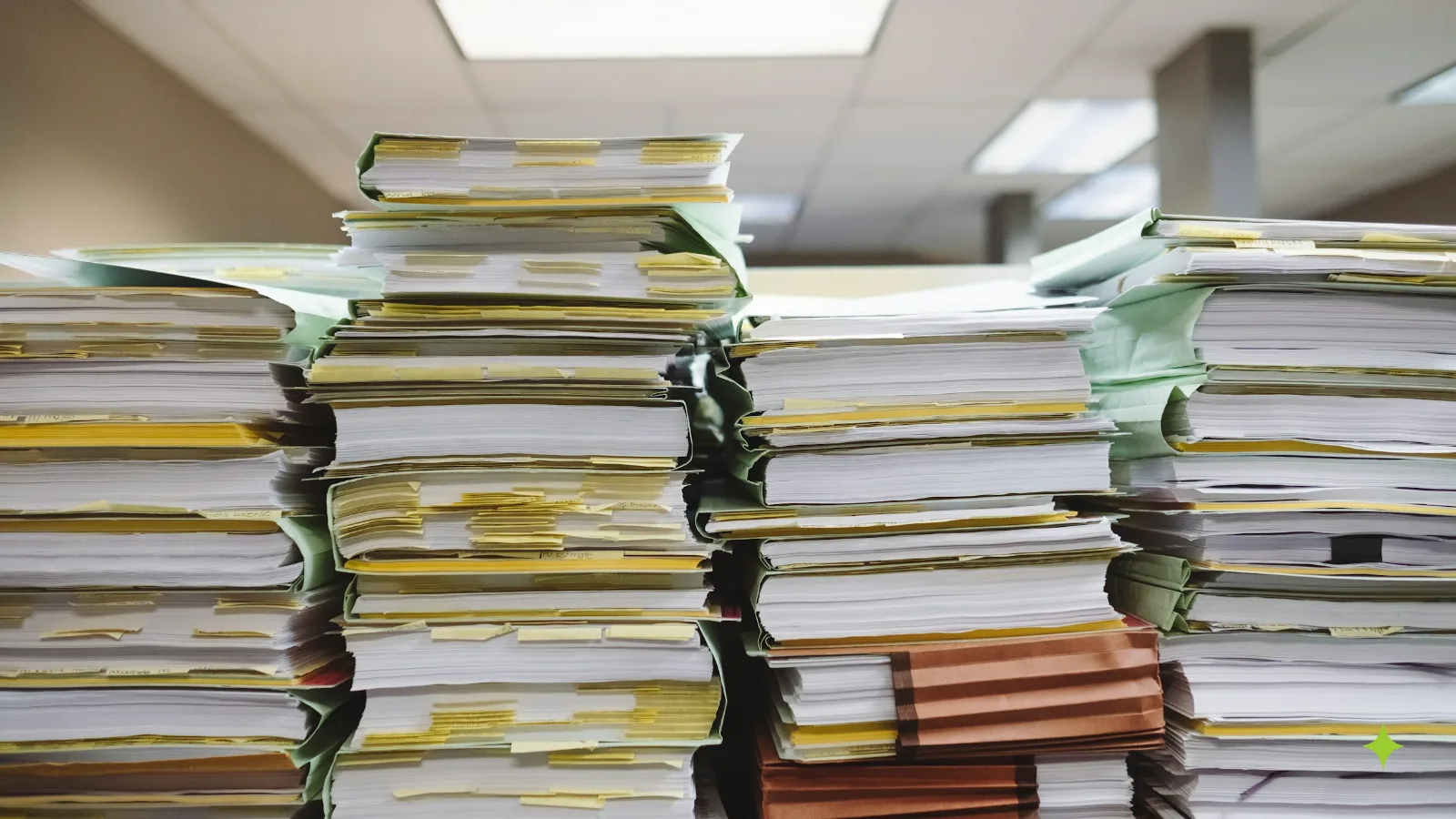
Where the days go
Most late month-ends are not a maths problem. The figures exist; they just live in different places. Sales sit in one file, payments in a chat thread, the bank statement in a PDF, and one person knows how they fit together.
- Records in several places. Before anyone can check a figure, someone has to gather it.
- Checks saved for the end. A wrong amount keyed on the 3rd is found on the 30th, when nobody remembers why it was keyed that way.
- One person holds the method. When they are on leave or busy, the close waits for them.
- Corrections ripple. Fixing one figure late in the month changes two or three reports that were already sent.
Why more people rarely fixes it
The usual response is another pair of hands in accounts. That speeds up the gathering, but the checking still waits for the end of the month, so the crunch simply moves. The problem is when the checking happens, not how many people do it.
What closes the gap
Move the checking to the day the figure appears. In practice that means three things:
- One record per transaction. A sale, a receipt or a supplier invoice is keyed once, and everyone reads the same record.
- A check at entry. Each figure is matched against its source as it comes in: the receipt against its order, the bank movement against the receipt.
- Exceptions, not everything. Anything that does not match is flagged that day, and the boss sees only the exceptions.
By month-end, the work is already done. What is left is a review, not a reconstruction.
One receipt, followed through
Say a clerk keys a receipt as RM 1,500 when the deal says RM 15,000. On a spreadsheet, that figure sits quietly until someone reconciles at month-end, and then the hunt begins: which deal, which day, who keyed it.
On the deal desk we built for a currency exchange business, the same mistake goes differently:
- The deal cannot close. Every receipt is checked against its deal first, and this one does not match.
- The boss sees it. The stalled deal shows up as a critical item on the boss's screen.
- It is fixed while it is fresh. The clerk corrects the figure while the deal is still in their head.
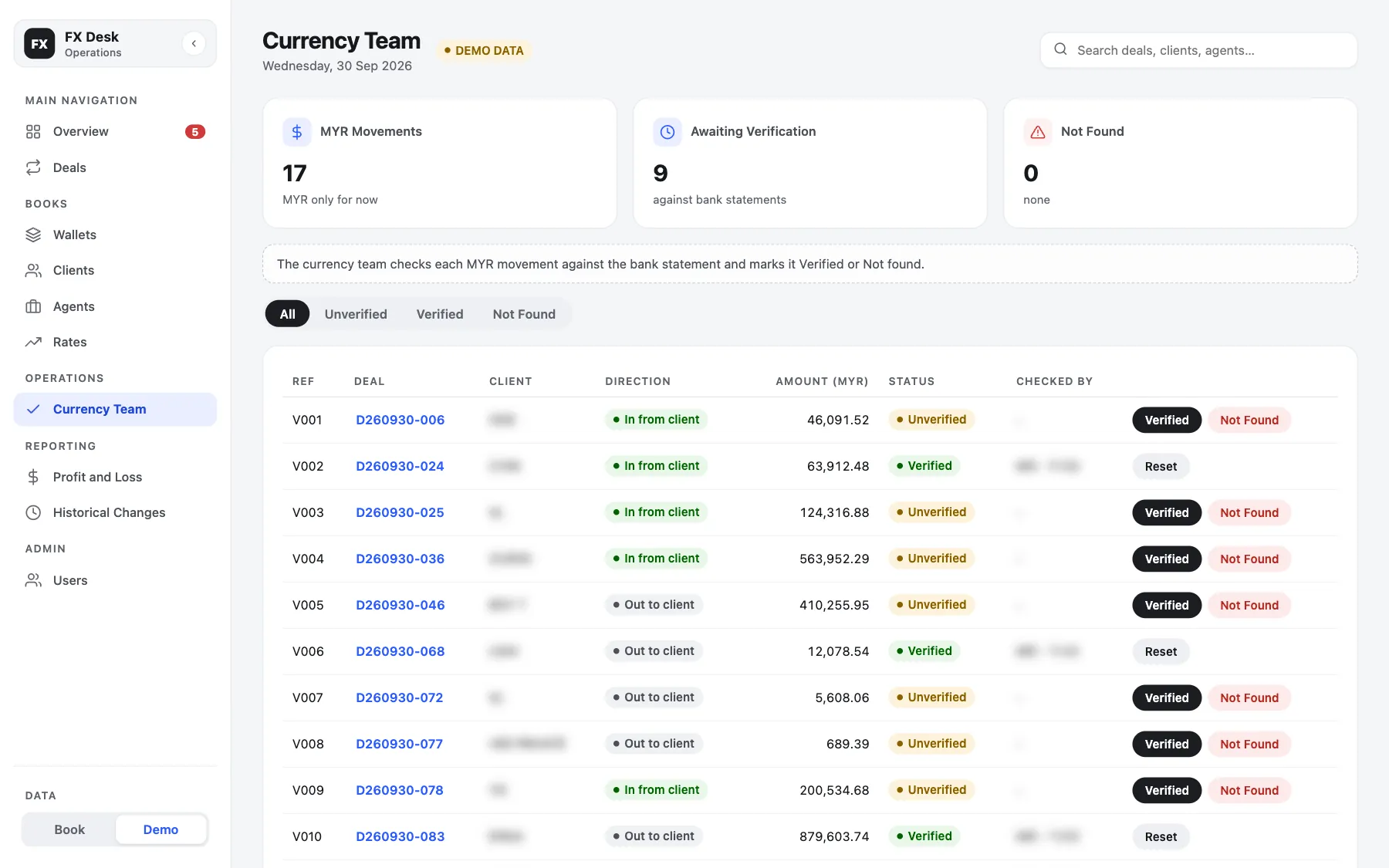
- The bank confirms it. Every ringgit movement is matched against the bank statement and marked verified or not found.
By month-end there is nothing left to hunt for. The figures in this example are made up; the checks are the real ones.
Where to start this week
You do not need a new system to see where your days go. Spend thirty minutes on this:
- List every place a figure comes from before it reaches your monthly report.
- Next to each one, write when it is checked today: daily, weekly or at month-end.
- Circle the source that causes the most corrections. That is the first gap worth closing.
Filed under Trading and distribution, Any business, Manufacturing.
Questions people also ask
Do we need new accounting software to fix this?
Usually not. Your accounting system can stay as it is. The gap sits in the checks that happen before figures reach it.
Is this only a finance problem?
No. Stock counts, sales reports and payroll run late for the same reason: the checking waits for the deadline.
Will hiring another accounts clerk help?
It adds hands for gathering figures, but the checking still waits for the end of the month. Moving the check earlier does more than adding people at the end.